Follow Me On Social Media!

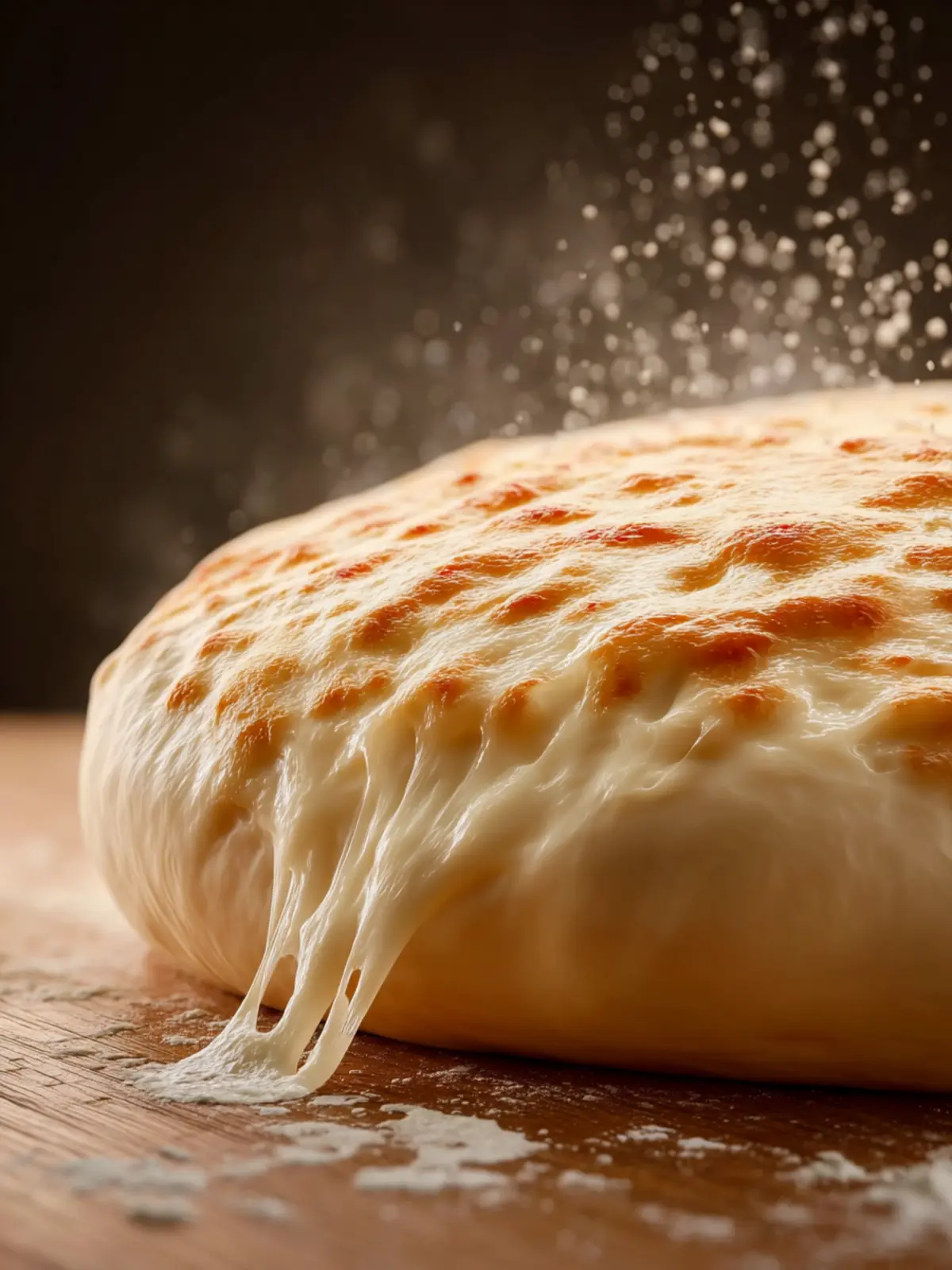
Pizza Dough Perfection: Easy, Homemade Goodness Awaits!

Introduction to Pizza Dough
Imagine the aroma of freshly baked pizza dough wafting through your kitchen, transforming your home into a cozy pizzeria. Homemade pizza dough not only elevates your pizza game but also invites creativity into your cooking routine. The moment you decide to make your own dough, you’re stepping into a world of fresh ingredients and flavors that store-bought versions simply can’t replicate.
Why is homemade pizza dough a game changer?
Making your own pizza dough is a true game changer for several reasons:
-
Customization: Store-bought dough can be limiting. By making your own, you control the ingredients, allowing you to experiment with various flours, hydration levels, and even herbs. Whether you prefer a thin crust or a thick pan-style pizza, the choice is all yours!
-
Freshness: There’s something magical about working with fresh ingredients. Homemade pizza dough is free from preservatives, ensuring a clean, wholesome flavor. It’s like bringing a slice of Italy into your kitchen!
-
Cost-effective: Let’s not ignore the practical aspect. Creating your own dough is more economical than buying pre-made options, especially if you love pizza as much as I do. A few simple ingredients can stretch a long way.
-
Skill-building: Crafting your own dough deepens your kitchen skills. You’ll learn about the importance of gluten development, how yeast works, and even the impact of fermentation times. Plus, mastering this fundamental skill opens doors to a variety of other baked goods.
-
Memorable Experiences: Cooking can be a wonderful bonding activity. Making pizza dough with friends or family creates lasting memories, complete with laughter and fun. Picture a pizza-making night where everyone tops their creations with their favorites!
As you embark on this culinary adventure, get ready to enjoy the satisfaction that comes from baking something from scratch. Homemade pizza dough is not just a recipe; it’s an experience that connects you to the heart of Italian cuisine. So, roll up your sleeves, and let’s dive into crafting that perfect dough!
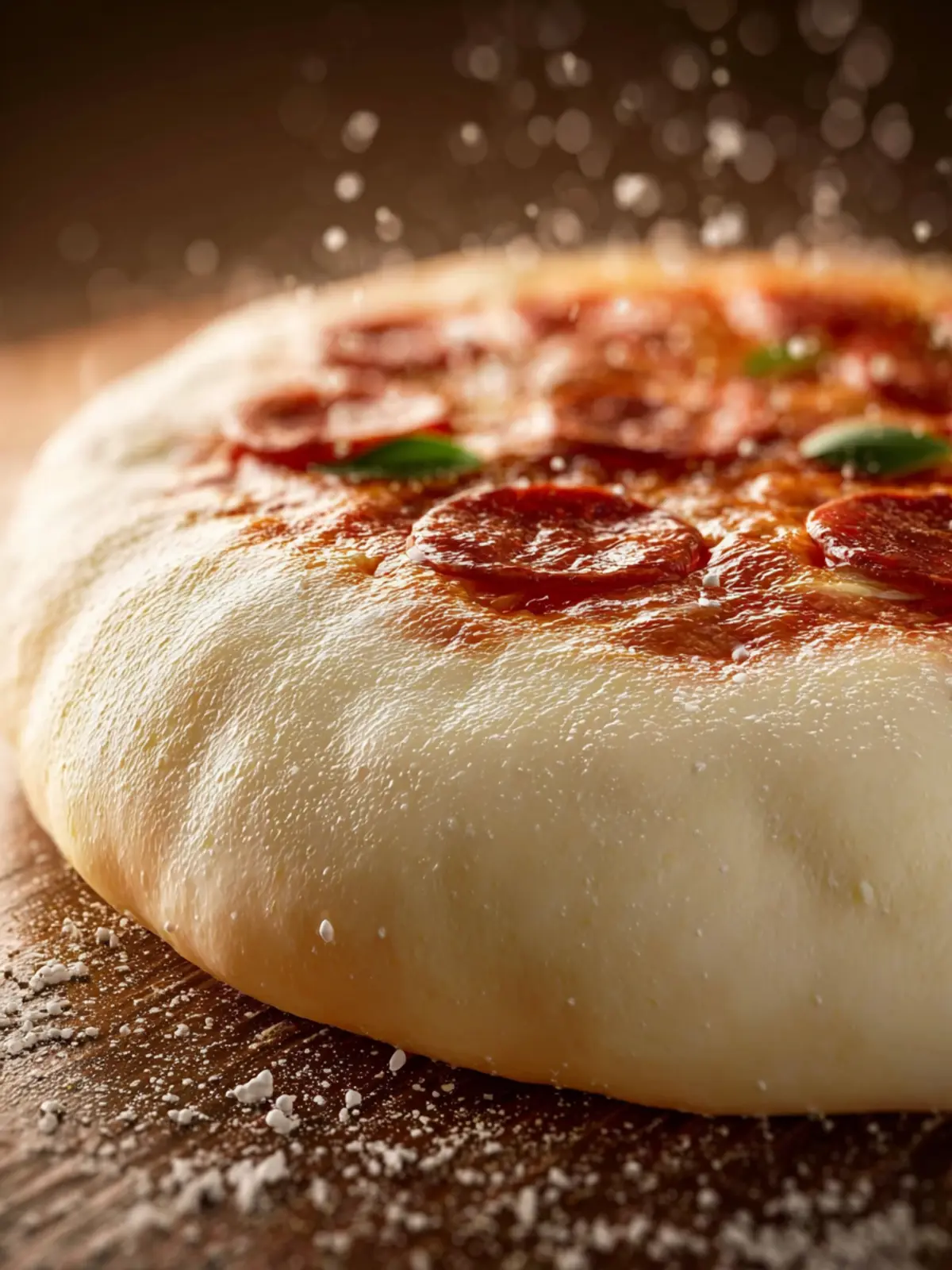
Key Ingredients for Pizza Dough
Creating the perfect pizza dough requires a handful of essential ingredients that come together to create a beautiful, chewy crust. Each component plays a vital role in the dough’s texture and flavor, setting the stage for your favorite toppings.
-
Flour: I typically opt for bread flour because its higher protein content gives the pizza dough that delightful chewiness we love. If you prefer a lighter option, all-purpose flour can be used as well.
-
Yeast: Fresh or instant yeast works wonders here. Yeast is the magic ingredient that helps the dough rise and creates those air pockets that contribute to a fluffy crust. If you enjoy a bit of tanginess, you could even consider sourdough starter as an alternative.
-
Water: Using warm water activates the yeast more effectively. Remember, the temperature is crucial; water that’s too hot can kill the yeast, stifling your dough’s rise.
-
Salt: Salt isn’t just for flavor; it also strengthens the gluten structure, leading to a sturdier pizza dough. I recommend using sea salt for a nice burst of flavor.
-
Olive Oil: A touch of olive oil enriches the dough, lending it a smooth texture and a subtle flavor that accentuates any toppings.
By combining these key ingredients thoughtfully, you’ll be on your way to crafting a delicious base for your pizza, ensuring that each bite is satisfying and filled with flavor. Enjoy the journey to mastering your own pizza dough!
Why You’ll Love This Pizza Dough
When it comes to creating your perfect pizza night, this pizza dough recipe stands out from the crowd. It’s not just about following steps; it’s about crafting a base that transforms ordinary toppings into something extraordinary, evoking memories of cozy nights with friends or romantic dinners at home.
Here’s why you’ll adore this dough:
-
Simple Ingredients: Crafted from flour, water, yeast, and salt, the simplicity allows for a focus on quality. You don’t need to hunt for exotic items; your local grocery store has everything you need.
-
Versatile Texture: This pizza dough recipe strikes that ideal balance between crispy and chewy. Whether you prefer a classic Margherita or a loaded veggie pie, this dough accommodates all your culinary desires.
-
Customizable Flavors: Feel free to infuse your dough with your favorite herbs or spices. A sprinkle of garlic powder or dried oregano can elevate the flavor profile and give you a unique twist on a classic.
-
Time to Bond: Making this dough is an experience in itself. Gathering with friends, rolling it out, and picking toppings fosters connection and creativity in the kitchen.
This pizza dough doesn’t just serve as a base; it invites an opportunity to explore your culinary skills while enjoying the process. So, why settle for store-bought when homemade dough can bring so much joy?
Variations for Pizza Dough
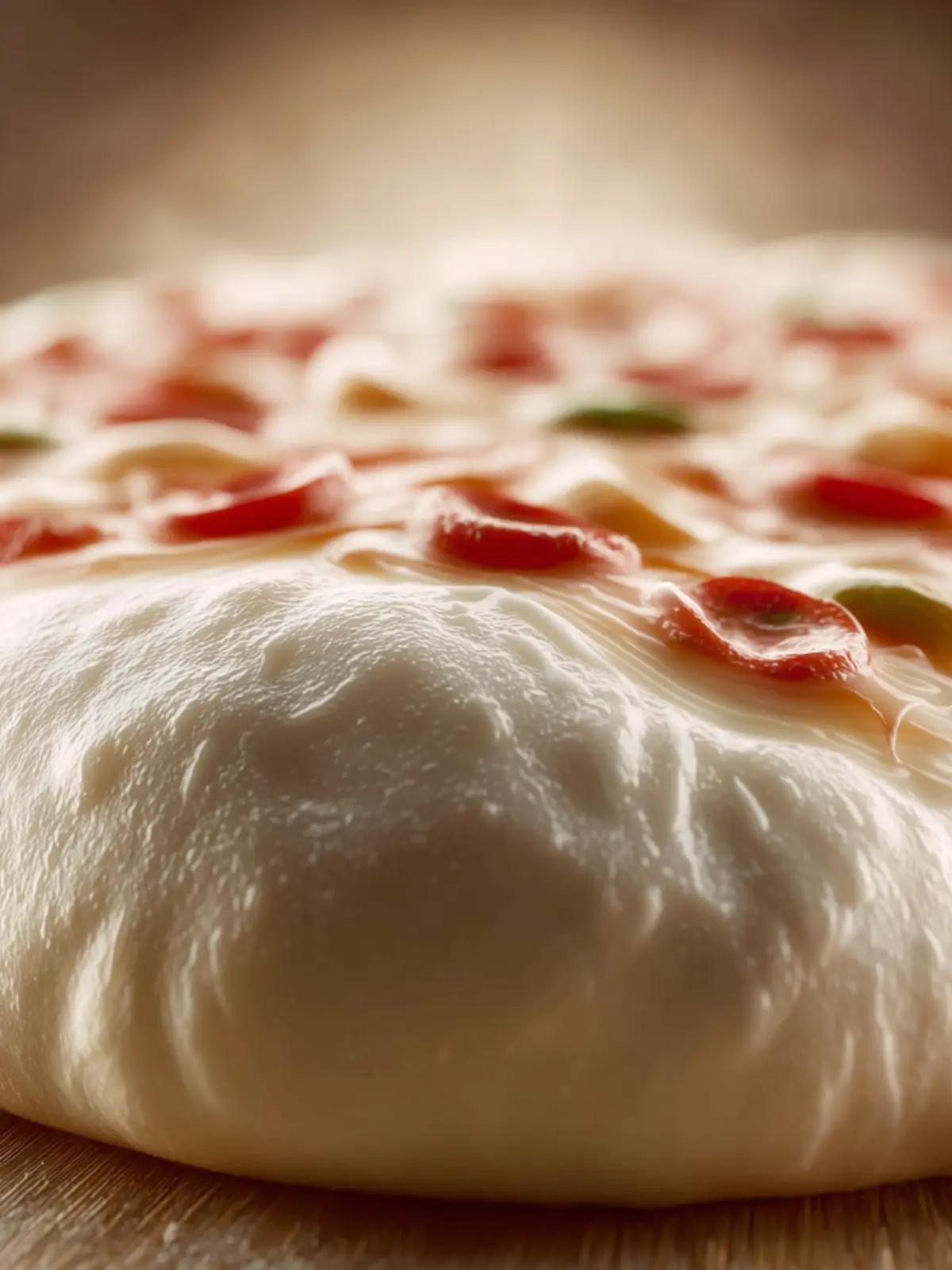
When it comes to crafting the perfect pizza dough, the creativity doesn’t stop at your typical flour and yeast. There are countless variations that allow you to express your culinary flair and suit different tastes or dietary needs.
Whole Wheat Pizza Dough
For a healthier twist, consider using whole wheat flour instead of all-purpose flour. It adds a nutty flavor and boosts the nutritional value of your pizza. Just remember, the texture will be a bit denser, but the taste is well worth it!
Cauliflower Pizza Dough
Looking for a gluten-free option? Cauliflower pizza dough is a popular alternative. By blending cauliflower and mixing it with cheese and eggs, you can create a low-carb base that’s surprisingly satisfying. Plus, it’s a sneaky way to sneak in extra veggies!
Herb-Infused Dough
To elevate the flavor of your traditional pizza dough, try adding a blend of dried herbs like oregano, basil, or rosemary directly into the mix. This twist infuses each bite with aromatic goodness, making your pizza experience even more delightful.
Thin vs. Thick Crust
Depending on your preference, you can adjust the hydration level of your dough. For a thin, crispy crust, reduce the liquid slightly, while a thicker crust requires more moisture. Experimenting with different thicknesses can transform your homemade pizza night into something extraordinary.
These variations can not only cater to diverse dietary needs but also add excitement and personality to your pizza creations. Why not try something new tonight?
Cooking Tips and Notes for Pizza Dough
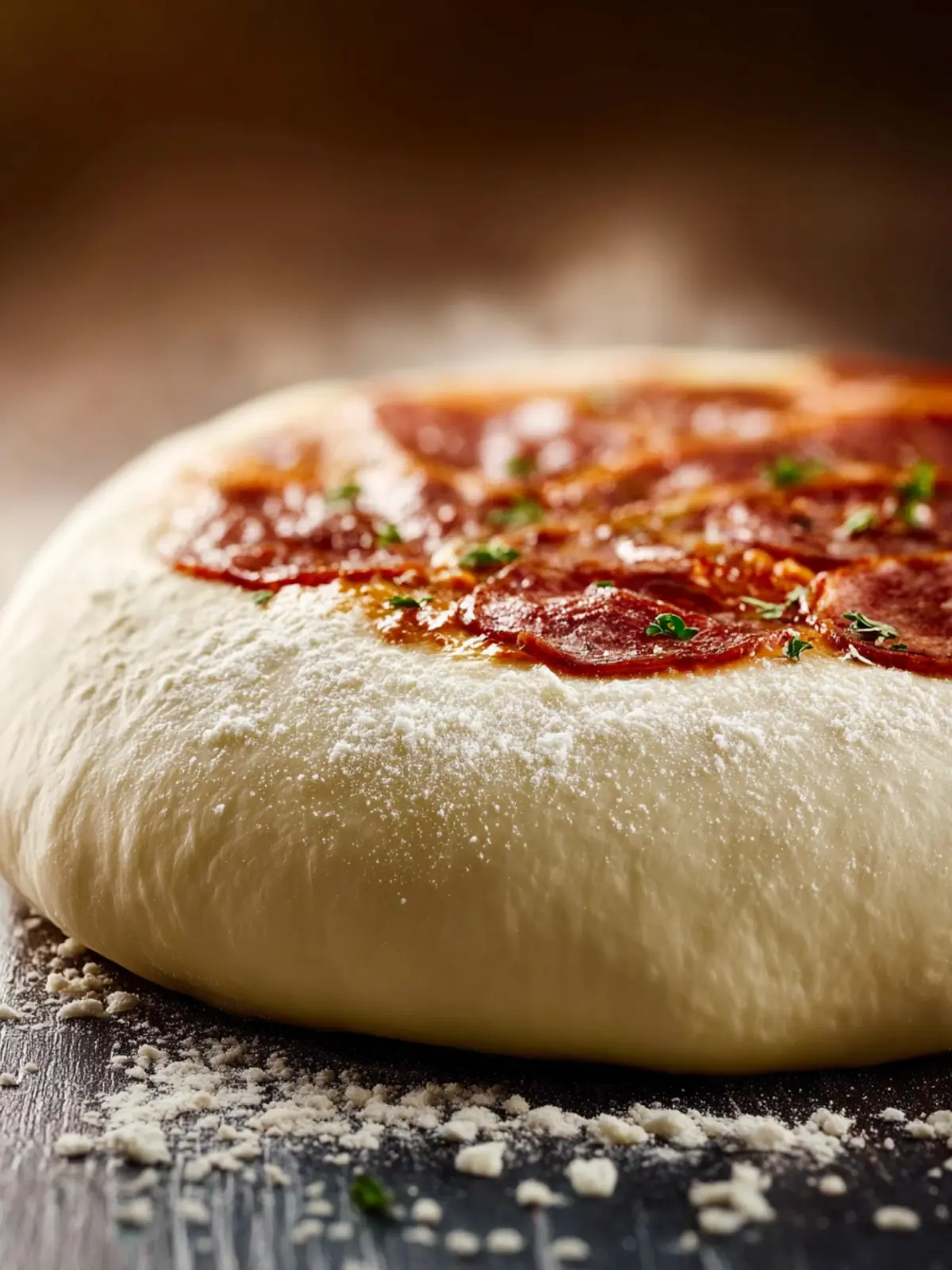
Creating the perfect pizza dough is both an art and a science. Picture it: weekends filled with friends, laughter, and the aroma of freshly baked pizza wafting through your kitchen. To ensure your dough comes out spectacularly each time, here are some essential tips.
Flour Matters
The type of flour you choose will significantly affect the texture of your dough. For a classic crust, go for high-protein bread flour. It contains more gluten, resulting in a chewy texture that’s just right for a pizzeria-style pizza.
Temperature Control
Using warm water (around 110°F) during mixing activates the yeast effectively. Additionally, letting your dough rise in a warm environment—like an oven with just the light on—can help speed up fermentation. This contributes not just to flavor, but also to that wonderfully airy crust.
Kneading Technique
Kneading isn’t just about muscle; it’s about technique, too. Aim for a smooth, elastic texture. This usually takes about 8-10 minutes of kneading. If your dough feels too sticky, add a touch more flour, but avoid over-flouring; otherwise, you’ll lose that delightful texture.
Resting is Key
After kneading, allow your dough to rest for at least 1 hour. This lets the gluten relax, making it easier to stretch out later. For deeper flavor, consider a longer cold fermentation in the refrigerator overnight.
Incorporating these tips into your pizza dough process will help you create a deliciously memorable experience every time you whip up a pie!
Serving Suggestions for Pizza Dough
Creating the perfect pizza dough is just the beginning of your culinary adventure. The beauty of homemade dough lies in its versatility, allowing you to explore endless topping combinations. Whether you’re hosting a casual get-together or simply treating yourself after a hectic week, consider these delightful servings.
Classic Margherita
Top your stretched pizza dough with a light layer of tomato sauce, fresh mozzarella cheese, and a sprinkle of basil. This classic option honors simplicity, letting every ingredient shine. Bake until bubbly, and enjoy the smells wafting through your kitchen.
Creative Toppings
Don’t shy away from experimenting! Consider:
- BBQ Chicken: Use barbecue sauce, shredded chicken, red onions, and cilantro.
- Mediterranean Delight: Incorporate feta, olives, artichokes, and a drizzle of olive oil for a fresh twist.
Dessert Pizza
For an indulgent treat, you could try a dessert pizza. Spread a layer of Nutella over the baked pizza dough, top with sliced strawberries or bananas, then finish with a dusting of powdered sugar.
By thinking outside the box with your pizza dough, you can create memorable meals that cater to every palate. Enjoy the process and, most importantly, relish each bite!
Time Breakdown for Pizza Dough
Creating the perfect pizza dough is not just an art; it’s a delightful process that can whisk you away to Italy with every bite. Understanding the time involved makes it all the more enjoyable!
Preparation Time
In about 15 minutes, you’ll have the dough mixed and ready. The key is to measure out your ingredients and knead them just right, setting the stage for that delicious homemade pizza.
Rising Time
Patience is key here! Allow the pizza dough to rise for about 1 to 2 hours. This step is crucial as it develops flavor and texture.
Baking Time
Once your dough is ready and topped to your liking, bake your pizza for 10 to 15 minutes until it’s golden brown and bubbling.
Total Time
In total, you’re looking at approximately 1 hour and 30 minutes to 2 hours and 30 minutes from start to finish. It’s worth every minute for that homemade taste!
Nutritional Facts for Pizza Dough
Understanding the nutritional facts of pizza dough can help you make informed choices about your meals. Creating the perfect pizza allows us to explore flavors while considering our health! Here’s a snapshot of what you can expect:
Calories
A typical serving of pizza dough (about 100 grams) contains roughly 250 calories. This makes it a hearty base for your favorite toppings without going overboard.
Carbohydrates
Pizza dough is rich in carbohydrates, with about 50 grams per serving. These carbs are great for providing energy, especially for those busy days.
Protein
It offers around 8 grams of protein, making it a modest contributor to your daily protein intake. Pairing it with protein-rich toppings can enhance this benefit.
Fats
On average, you’ll find 4 grams of fat in pizza dough. The fat content varies significantly with the type of oil used in the recipe.
Sodium
Lastly, pizza dough contains approximately 500 milligrams of sodium. Be mindful of this, especially if you’re looking to reduce salt in your diet.
With these insights, you can enjoy your homemade pizza while keeping an eye on your nutritional goals!
FAQ about Pizza Dough
Crafting pizza dough is an art, and like any good artist, it’s natural to have questions as you create your masterpiece. Whether you’re a home chef trying to impress friends or simply looking to whip up a cozy dinner, here are some frequently asked questions to guide you on your delicious journey.
Can I use active dry yeast instead of quick-rise yeast?
Absolutely! While quick-rise yeast reduces proofing time, active dry yeast works just as well. You’ll need to activate it in warm water with a bit of sugar for about 5-10 minutes before mixing it into your pizza dough. This will provide a lovely rise and a flavorful crust.
What is the best way to store leftover pizza dough?
To preserve your pizza dough, wrap it tightly in plastic wrap or place it in an airtight container. You can store it in the refrigerator for up to 3 days. If you want to keep it longer, freeze it! Just remember to thaw it overnight in the fridge before using.
Can I make pizza dough ahead of time?
Definitely! In fact, making pizza dough a day in advance can enhance the flavor. Just prepare it according to your recipe, let it rise, and then refrigerate it. The slow rise in the fridge develops more complex flavors—delicious, right?
How do I know when my pizza dough has risen enough?
A good rule of thumb is to let your pizza dough rise until it has doubled in size, which typically takes about 1 to 2 hours. You can test it by gently pressing a finger into the dough; if the indentation springs back slowly and remains, it’s ready!
What flour is best for pizza dough?
For the perfect pizza dough, I recommend using high-protein bread flour. This type of flour gives the dough elasticity and structure, resulting in a wonderfully chewy crust. If bread flour isn’t available, all-purpose flour is a suitable alternative, just expect a slightly different texture.
Now, armed with this knowledge, feel free to experiment and create your own pizza legacy!
Conclusion on Pizza Dough
Creating the perfect pizza dough can transform any meal into a memorable experience. The balance between the ingredients—flour, yeast, water, and salt—creates a delightful base full of flavor and texture. Remember, the key is to allow the dough to rise properly, as this develops that legendary chewy crust. Whether you’re hosting a gathering or simply enjoying a cozy night in, homemade pizza dough elevates the occasion. Don’t hesitate to experiment with different toppings and sauces to make your creation truly unique. With practice, you’ll be crafting pizzas that rival your favorite pizzeria right from your kitchen.
Print
Homemade Pizza Crust
- Total Time: 2 hours 55 minutes
- Yield: 2 pizza crusts 1x
- Diet: Vegetarian
Description
This homemade pizza crust is soft, chewy, and perfect for any toppings you desire.
Ingredients
Scale
- 2 cups whole milk, (warmed to 110°F)
- 4 ½ teaspoons quick-rise yeast, (or 2 packets (0 ounces each))
- 4 cups (500 g) all-purpose flour, (plus more as needed)
- 2 tablespoons kosher salt
- 2 tablespoons olive oil
Instructions
- Add warm milk to a medium bowl. Sprinkle the quick-rise yeast over the top and let it sit for 5 minutes until foamy and activated.
- In the bowl of a stand mixer fitted with the dough hook (or in a large mixing bowl if kneading by hand), combine the flour and salt.
- Pour in the milk and yeast mixture, then add the olive oil.
- Mix on low speed until the dough comes together. Then, increase to medium speed and knead for 5-6 minutes, or until smooth and elastic. (If kneading by hand, knead on a lightly floured surface for 7-8 minutes.)
- Form the dough into a smooth ball and place it in a large, lightly oiled bowl. Cover with plastic wrap or a clean kitchen towel.
- Let the dough rest in a warm place, covered, for 1 to 2 hours, or until it has doubled in size.
- Punch down the dough gently. Then, turn it out onto a lightly floured surface. Divide the dough into 2 equal portions.
- Shape each portion into a round ball. Stretch or roll each into a 12 to 14-inch circle, lightly flouring the surface if needed to prevent sticking.
- Preheat oven to 450°F.
- Place each crust onto a parchment-lined baking sheet or pizza pan. Use a fork to lightly dock the surface (poke a few holes) to prevent bubbling.
- Parbake in the oven for 6-8 minutes, or until the crust is set but not browned.
- Remove from the oven. Let cool slightly before topping with your favorite sauce, cheese, and toppings.
- Return to the oven and bake at 450°F for 10-15 minutes, or until the crust is golden and the cheese is bubbly and browned to your liking.
- Allow the crusts to cool completely, top each crust with sauce, cheese, and your desired toppings. (Or, you can freeze just the crust.)
- Place on a baking sheet and freeze uncovered for 1 to 2 hours, or until the toppings are firm.
- Once frozen solid, wrap each pizza tightly in plastic wrap, followed by a layer of aluminum foil. Label with the date and store flat in the freezer for up to 3 months.
- To bake from frozen, unwrap the pizza and place it directly on a baking sheet or pizza stone in a preheated 450°F oven. Bake for 13-17 minutes, or until the crust is golden and the cheese is melted and bubbling.
Notes
- This crust can be frozen before baking for easy meal prep.
- You can add herbs or spices to the dough for extra flavor.
- Make sure your yeast is fresh for the best rise.
- Prep Time: 30 minutes
- Cook Time: 25 minutes
- Category: Main Dish
- Method: Baking
- Cuisine: Italian
Nutrition
- Serving Size: 1 slice
- Calories: 210
- Sugar: 1g
- Sodium: 300mg
- Fat: 6g
- Saturated Fat: 1g
- Unsaturated Fat: 3g
- Trans Fat: 0g
- Carbohydrates: 33g
- Fiber: 1g
- Protein: 7g
- Cholesterol: 0mg